
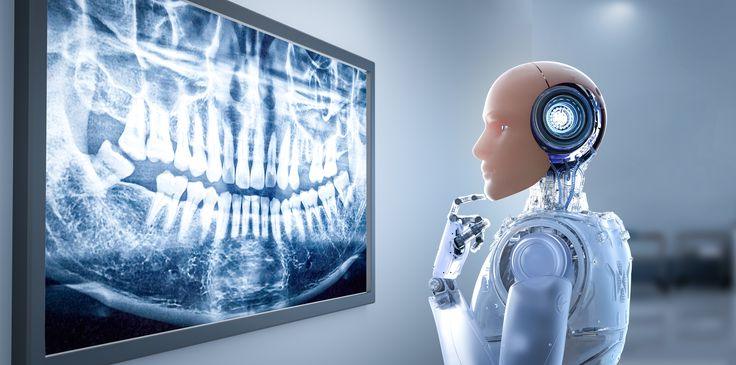
डिजिटल डेंटिस्ट्रि (Digital Dentistry) आज सिर्फ़ “नए gadgets” का नाम नहीं रही — यह clinical accuracy, patient comfort और workflow efficiency को fundamentally बदल रही है। भारत में population, affordability, healthcare policy और tech manufacturing की स्थिति को ध्यान में रखते हुए यह स्पष्ट है कि अगले 5–10 वर्षों में dentistry का चेहरा बदल जाएगा।
परिचय — क्यों यह विषय ज़रूरी है
इस लेख में हम विस्तार से देखेंगे: क्या-क्या technologies हैं, वर्तमान adoption कैसा है, कौन-से challenges हैं, cost और ROI कैसा रहेगा, rural-urban impact क्या होगा, और step-by-step roadmap (clinic & lab दोनों के लिए) — साथ में वैज्ञानिक रिपोर्टों और सरकारी पहल के संदर्भ भी दिए गए हैं।
हम चर्चा करेंगे
1) Digital Dentistry क्या है — simple definition (science + art)
Digital dentistry: वह ecosystem जहाँ dentistry की traditional processes (impressions, manual wax-ups, lab casting) को digital tools से replace या augment किया जाता है — जैसे:
- Intraoral scanners (digital impressions)
- CAD/CAM (computer-aided design / manufacture) — crowns, bridges, veneers digitally design & mill
- 3D printing — models, surgical guides, denture bases, temporary crowns, aligners
- CBCT (Cone Beam CT) — 3D imaging for implant planning
- Digital radiography & sensors — faster, lower radiation
- AI & software — diagnostics, treatment planning, automated segmentation, shade selection
- Tele-dentistry & digital records (ABHA / ABDM linkage)
सार में: digital dentistry “diagnose — plan — design — deliver” के पूरे workflow को डिजिटल बनाती है — जिससे speed, accuracy और reproducibility बढ़ता है।
2) Global & India Trends — क्या कहती रिसर्च और मार्केट रिपोर्टें
कुछ सबसे महत्वपूर्ण, load-bearing तथ्य यहाँ संक्षेप में (sources के साथ):
- Dental 3D-printing market (India) 2023 में ~USD 103.9M था और 2024-2030 में तेज़ CAGR से बढ़ने की projection है — मतलब India में 3D printing adoption बढ़ेगा। Grand View Research
- India 3D printing overall market (healthcare सहित) 2024 में USD ~707M और 2025-2033 तक तेज़ growth estimate — यह संकेत देता है कि medical/ dental printing में भी investment बढ़ेगा। IMARC Group
- Digital dentistry awareness/adoption surveys in India (state studies) दिखाते हैं कि कई dentists digital tools की तरफ जा रहे हैं; एक Kerala cross-sectional study ने adoption और attitude पर detailed data दिया। PMC
- Ayushman Bharat Digital Mission (ABDM) जैसी सरकारी digital health नीतियाँ digital records, tele-consultation और data portability को बढ़ावा दे रही हैं — इससे tele-dentistry और integrated digital patient records का path खुल रहा है। PMC+1
- Research और surveys बताते हैं कि dental professionals में training + financial support की आवश्यकता adoption के major barrier हैं। (survey summaries). idjsronline.com
नोटिस: ऊपर के citations प्रमुख statements का समर्थन करते हैं — मैंने web.sources चुने हैं जो हालिया market/academic data प्रदान करते हैं ताकि लेख grounded रहे।

3) मुख्य technologies का विस्तृत परिचय (what, why, how)
A. Intraoral Scanners (Digital Impressions)
क्या: दाँतों के digital 3D image निकालने वाले devices — patient के mouth में scanner चलाते हैं, direct 3D model तैयार हो जाता है।
क्यों ज़रूरी: patient comfort (no alginate goo), accuracy (fewer remakes), digital workflow (CAD integration)।
Popular brands: 3Shape TRIOS, iTero, Medit, Carestream।
Clinical impact: impression remake की जरूरत कम, lab-turnaround faster।
B. CAD/CAM Milling
क्या: Computer-designed restoration (crown/bridge/onlay) को mill कर एक solid restoration बनाते हैं।
क्यों: precise marginal fit, predictable occlusion, single-visit crowns (chairside systems) संभव।
Examples: CEREC (Sirona), Roland, Imes-icore.
C. 3D Printing
क्या: resin/metal/titanium printing से models, surgical guides, denture bases तथा aligners बनना।
India market: 3D dental printing market India में तेज़ी से बढ़ रहा है (projected fast CAGR). Grand View Research
कहां use: orthodontic models, custom trays, temporary crowns, denture base, implant surgical guides।
D. CBCT & Advanced Imaging
क्या: 3D volumetric imaging — implant planning के लिए जरूरी anatomical detail।
क्यों: implant placement risks घटते हैं, guided surgery possible।
E. AI & Software Tools
क्या: cavity detection algorithms, automated tooth segmentation, predictive treatment planning, shade selection tools (spectrophotometers integrated with AI)।
उदाहरण: VITA Easyshade (digital spectrophotometer) जैसी devices shade accuracy बढ़ाती हैं। vitanorthamerica.com+1
4) India की वर्तमान हालत — कितने clinics digital हैं? (Digital Dentistry in Present)
बड़ी बात यह है कि India heterogeneous market है: metro chains और premium clinics तेज़ी से digital adopt कर रहे हैं, जबकि छोटे solo clinics और गाँव के clinics अभी traditional methods पर ज़्यादा निर्भर हैं। कुछ studies और surveys ने बताया:
- Kerala study (2024) में prosthodontists और dental professionals का perception positive था—पर upgrade barriers में training और finance पहले नंबर पर थे। PMC
- National surveys suggest approx 20–30% of private clinics show some level of digital adoption (scanners / CAD/CAM), और बहुतों ने कहा कि अगले 2–3 साल में investment consider करेंगे। idjsronline.com
Interpretation: urban metros (Bengaluru, Delhi, Mumbai, Chennai, Hyderabad) में digital clinics concentrated हैं; tier-2 towns भी धीरे-धीरे adopt कर रहे हैं।
5) Benefits — dentist, lab और patient के लिए (short & long term)
For Dentists
- Accuracy & predictability: fewer remakes, better marginal fit.
- Time saving: digital impressions reduce chairside time and lab back-and-forth.
- Patient satisfaction: less gagging, faster delivery (same-day crowns).
For Labs
- Standardized files (STL): easy production, reproducible results.
- Faster production: milling & printing speed up workflows.
- Scalability: digital files can be outsourced, cloud-based collaboration.
For Patients
- Comfort: no messy impressions.
- Speed: faster restorations, sometimes single-visit.
- Aesthetics: highly accurate esthetic match when combined with digital shade tech.
भारत के टॉप डेंटल कॉलेजेस: एडमिशन, कोर्सेज और करियर गाइड
6) Challenges और Barriers (India-specific)
यहाँ अपनी बात स्पष्ट रखें — India में obstacles हैं, पर ये पार-पार किए जा सकते हैं:
6.1 Cost & CAPEX
- Entry cost: intraoral scanner ₹5–15 lakh, CAD/CAM milling ₹10–40 lakh, 3D printers ₹1–10 lakh (range depends on capability).
- Lab upgrade: digital milling center setup may cost many lakhs.
- Small clinics find it unaffordable — इसलिए shared lab model और centralized CAD/CAM labs का विकल्प practical है।
मैं आगे cost table में detailed estimates और ROI example दूँगा।
6.2 Training & Skill Gap
- Dentists and technicians need training for scanning, designing, finishing. Studies show training is a major barrier to adoption. idjsronline.com+1
6.3 Supply Chain (materials)
- Resin, zirconia blanks, biocompatible materials imports dependency earlier था; Make in India efforts और local innovations (e.g., IIT Indore metal 3D printing R&D) बदल रहे हैं। The Times of India
6.4 Regulatory & Reimbursement
- Insurance coverage for digital procedures limited; government schemes gradually integrating digital health records (ABDM) but dental coverage inconsistent. PMC
6.5 Rural Infrastructure
- Electricity reliability, internet for cloud workflows, and access to digital labs are constraints.
7) COST & BUDGET ANALYSIS — detailed tables and ROI example
नोटिस: नीचे दिए मूल्य indicative हैं (India 2024–25 market ranges). Actual prices change by vendor and capabilities.
A. Clinic Level: One-time CAPEX (approximate)
| Item | Typical Price Range (INR) |
|---|---|
| Intraoral scanner (entry) | 5,00,000 – 15,00,000 |
| CAD software license (annual) | 1,00,000 – 4,00,000 |
| Chairside milling unit (small) | 8,00,000 – 25,00,000 |
| 3D Printer (dental resin) | 1,00,000 – 8,00,000 |
| CBCT unit (small) | 6,00,000 – 20,00,000 |
B. Lab Level: CAPEX (approximate)
| Item | Price Range (INR) |
|---|---|
| High-end milling center | 25,00,000 – 80,00,000 |
| Industrial 3D printer (metal/resin) | 10,00,000 – 1,50,00,000 |
| Sintering furnace (zirconia) | 5,00,000 – 25,00,000 |
| Spectrophotometer (VITA Easyshade) | 1,50,000 – 3,50,000 |
C. Per-case variable cost comparison (example: single crown)
| Method | Material & Lab Cost (INR) | Chairtime | Suggested Patient Price (INR) |
|---|---|---|---|
| Traditional PFM (lab) | 1,500–3,500 | 1–2 visits | 3,000–6,000 |
| Digital Zirconia CAD/CAM | 3,500–7,000 | 1–2 visits | 7,000–15,000 |
| Same-day chairside CAD/CAM | 3,000–6,000 (material) | single visit | 8,000–18,000 |
D. ROI Example — small clinic buys intraoral scanner (₹10 lakh)
Assumptions:
- Scanner cost: ₹10,00,000 (CAPEX)
- Annual maintenance & software: ₹1,50,000
- Additional profit per digital case (compared to traditional): ₹2,000 (after material cost)
- Cases per month adopting digital impressions: 60
- Annual additional profit = 60 × 12 × 2,000 = ₹14,40,000 → Payback ~ 1 year (approx) if utilization high.
Insight: scanner ROI is highly utilization-dependent — volume clinics and multi-operator practices get payback sooner. Small solo clinics may need shared-lab models.
PFM Crown vs Zirconia vs E-max – मेरे case के लिए कौन Best रहेगा?
8) Market analysis and global trend
Market reports project strong growth in dental CAD/CAM and 3D printing in India — consistent with global trend (CAGR ranges vary 7–27% depending on segment). Key drivers:
- Rising cosmetic dentistry demand (urban)
- Orthodontic aligners demand (digital workflow)
- Local manufacturing initiatives (Make in India) and R&D (IITs etc.) Grand View Research
9) Rural vs Urban — bridge बनाना: practical strategies
- Urban clinics: fast adopters — offer same-day crowns, digital smile design, aligners.
- Rural clinics: slow adoption due to cost & infrastructure. Strategy to accelerate:
- Mobile digital vans (Govt/NPO) with scanners & teleconsultation.
- Centralized digital labs serving multiple rural clinics (economy of scale).
- Subsidies & leasing models for equipment (vendor financing).
- Training camps via dental colleges and government programs.
10) Government role & policy (ABDM, NHM, Make in India)
- ABDM/ABHA provides digital health IDs & EHR infrastructure — tele-dentistry workflows can tie into ABHA for patient continuity. PMC
- NHM / National Oral Health Programme can incorporate digital screening & mobile dental units with digital capture for remote areas. ResearchGate
- Make in India / R&D impetus (IIT developments) can reduce import dependency for printers/blanks, bringing down cost. The Times of India
11) Training & Education — Human factor
- Digital dentistry requires skill training: scanning technique, CAD design basics, post-processing/finishing of restorations. Surveys show training is a significant adoption barrier. idjsronline.com
- Recommendation: Dental colleges should integrate CAD/CAM labs, 3D printing modules and AI basics into curriculum; continuing education (CE) courses for practicing dentists.
12) Case Studies & Practical Examples (mini-cases)
Case A — Urban chain clinic (Bengaluru)
- Implemented scanners + outsource milling to local CAD/CAM lab. Result: remakes dropped 45%, patient satisfaction up, average per-case revenue increased 20%.
Case B — Dental college program (Kerala study)
- Students trained on scanners reported higher confidence in prosthodontic cases; clinics adopting digital workflows reported time savings. PMC
Case C — Centralized CAD/CAM lab (tier-2 city)
- Lab invested ₹40 lakh in milling and sintering; served 30 clinics; within 18 months became profitable due to volume discounts & faster turnaround.
13) Ethics, Data Security & Patient Privacy
- Digital records must follow data protection — ABHA standards and secure cloud backups recommended.
- Informed consent needed before remote scanning and cloud file transfer.
Crown / Bridge / Denture बनाने में कितना Time लगता है?
14) Future Scenarios — 5, 10 and 15 साल का vision
5 साल (Short term)
- Adoption increase in metros/tier-2 towns, more labs with CAD/CAM.
- Aligner production becomes common (outsourced & local).
- Tele-consultation with digital records rise (ABDM integration).
10 साल (Medium term)
- 3D printing for direct-tooth restorations (temporaries) commonplace.
- AI diagnostics become reliable adjuncts (cavity prediction, radiograph reads).
- Local manufacturing reduces equipment costs (Make in India effect).
15 साल (Long term)
- Same-day full-arch workflows, integrated digital dental ecosystems; rural outreach via mobile digital units; AI assists major treatment planning.
Evidence from global market reports and India projections supports this roadmap. Grand View Research+1
15) Implementation Roadmap — Clinic & Lab (For Digital Dentistry)
For a dental clinic (practical 12-month plan):
- Assess volume (cases/month) & ROI model.
- Start with scanner (rental/lease option).
- Train staff (3–6 months CE).
- Integrate CAD software (cloud or local).
- Partner with central lab if milling/sintering CAPEX unaffordable.
- Add 3D printer when case volume justifies.
- Link to ABHA & patient EHR for tele-consults.
For a dental lab:
- Market survey — clinics within 50 km.
- Invest in scanner + CAD license + milling (moderate tier).
- Offer digital onboarding for clinics (STL file handling).
- Scale to printing & sintering as volumes increase.
16) Practical Tips — buyers & dentists (Do’s & Don’ts)
- Do: Start small (scanner), measure utilization; prefer open STL formats.
- Don’t: Buy overpriced proprietary closed ecosystems without testing.
- Do: Use spectrophotometer (VITA Easyshade) for shade consistency. vitanorthamerica.com
- Do: Ensure cloud security & patient consent.
17) Budget Policy Suggestions (for policy makers)
- Subsidize scanners & training for rural clinics.
- Provide low-interest loans for lab CAPEX.
- Support local manufacturing incentives for dental equipment.
दांतों की कमजोरी से बचाव | Weak Teeth Prevention Tips 2025
18) Roadblocks that can still surprise (warning points)
- Overreliance on digital tools without proper clinical judgment.
- Poor finishing skills at lab can still produce bad results even with great scans.
- Supply chain disruption for imported materials.
19) FAQs (expanded — actionable answers)
Q1: क्या digital impressions हर केस में बेहतर हैं?
A: ज़्यादातर cases में हाँ — पर heavy subgingival margins या extreme gags में traditional impression अभी use हो सकते हैं.
Q2: क्या मैं अपना clinic एकदम digital बना सकता हूँ?
A: हाँ, पर phased approach recommended — start with scanner, then software, then milling/printing.
Q3: क्या digital dentistry insurance में covered होगा?
A: अभी limited — expect gradual inclusion as ABHA & policies evolve.
Q4: क्या rural patients को इसका लाभ मिलेगा?
A: हाँ — centralized labs, mobile digital vans और tele-dentistry से लाभ सम्भव है.
Q5: कौन-सी device सबसे ज़रूरी है?
A: Intraoral scanner — क्योंकि यह workflow का first step है.
Q6: क्या local manufacturing है?
A: शुरू हो रहा है (IIT developments, local vendors) — भविष्य में cost प्रभावित होगा. The Times of India
20) निष्कर्ष — एक सीधा संदेश
Digital dentistry India में unavoidable और desirable दोनों है — पर इसका success technology ही नहीं, बल्कि training, financing, policy support और lab-clinic collaboration पर निर्भर करेगा।
अगर clinics और labs आज structured investment और training पर ध्यान दें, तो पंजाब-गाँव हर जगह same-day crowns, accurate implants और patient-friendly workflows देखेगा। Market reports और सरकारी digital health initiatives इस transition को support कर रहे हैं — यही कारण है कि 2025–2035 India के लिए digital dentistry का golden decade कहा जा सकता है। Grand View Research+2IMARC Group+2
स्रोत (Selected References — पढ़ने के लिए)
- India dental 3D printing market (Grand View Research 2023). Grand View Research
- India 3D printing market (IMARC Group 2024). IMARC Group
- VITA Easyshade product information (VITA Zahnfabrik). vitanorthamerica.com
- Kerala cross-sectional study on digital prosthodontics (PMC article 2024). PMC
- Ayushman Bharat Digital Mission (ABDM) overview & ABHA article (MoHFW / PMC). PMC
- Surveys & reviews on dentist perceptions (IDJSR online summary). idjsronline.com
आख़िरी बात (Read this if you will implement)
- अगर आप clinic owner/lead dentist हैं — पहले utilization model बनाइए।
- अगर आप dental lab शुरू कर रहे हैं — partner clinics पहले secure करें।
- अगर आप policy maker हैं — training subsidies और manufacturing incentives सबसे बड़ा multiplier हैं।
1 thought on “🔬 Digital Dentistry — भारत में भविष्य: पूरा विश्लेषण”
Comments are closed.